Are Cenotes in Cancun Mexico Safe? A Full Safety Guide and Overview to Cenotes
Found in areas around Cancun, cenotes are one of the most beautiful natural wonders of this earth. In particular, the areas of the Riviera Maya and Tulum in Mexico are home to dozens of natural cenotes for visitors to enjoy every year.
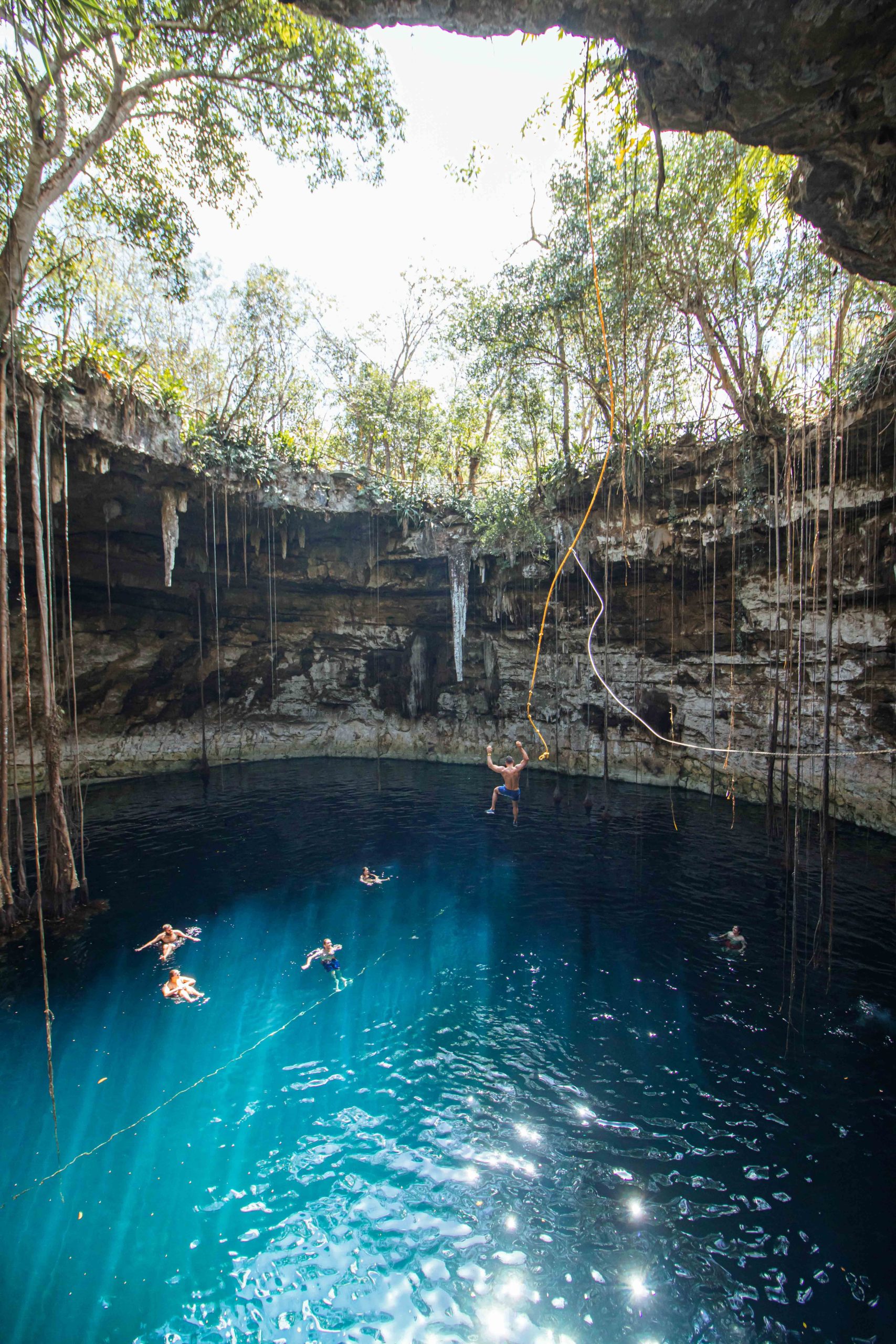
Cenotes were formed thousands of years ago, when the limestones caved in through the earth – creating a natural sinkhole in the ground that is now filled with water surrounding by a beautiful tropical Mayan paradise.
Besides the beauty of cenotes, many travelers wonder if it is indeed safe to go and swim in a Cenote, and what precautions one should take when entering a cenote.
Where are Cenotes Located in Cancun Mexico?
To begin with, most cenotes are located in Riviera Maya in the state of Quintana Roo as well as in Tulum all of which can be categorized into the Cancun, Mexico area.
Most visitors get exposed to the idea of a cenote through an excursion company like Viator, or possibly through an excursion sponsored by a hotel or Resort. Also, Xcaret is known for their famous cenotes excursions along with group tours.
When venturing into this area into a Cenote, it is key to know what to expect. Cenotes are natural bodies of water, that were formed thousands of years ago. They are not necessarily rivers, pools or oceans. It is a naturally flowing cenote.
Are Cenotes Around Cancun Mexico Safe? Some Considerations to Keep in Mind
While there is no chlorine to kill any bacteria in the water, most people are fully safe to go into a cenote, assuming you don’t have any major immunosuppressive health conditions. Some people prefer to hold their nose before diving into a cenote, but I never felt the need to. If you are prone to ear infections, you may benefit from a few drops of vinegar to help clean the ears after a swim.
There was an article a few year’s back that discussed some of the potential dangers of going into Cenotes due to various contaminants in the water such as the E Coli. or Salmonella risk due to the drainage from local pigfarms in the area.
In some caves, particularly cenotes that are in underground caves some visitors also note that there are bats around which could potentially infect some of the waters due to the bat droppings (Guano) but in many cases the cenotes are self-filtering and I’ve not had any issues. I also do my best to keep my head above water if I can, especially if doing a river swim.
Although the fear of this keeps a lot of people from enjoying the natural wonders of the Cenotes in the Riviera Maya area which is unfortunate.
Rarely, some visitors report getting Traveler’s Diarrhea (TD) from a Cenote in the Cancun area, but is unclear if others factors were involved. like eating the local foods or buffets or through other forms of transmission. Most Traveler’s diarrhea cases are transient though and go away in a few days.
Some visitors have also reported getting sick after entering a cenote, and it often presents within 24-48 hours and can vary from anything from gastrointestinal effects to a fever or chills or just general malaise. It is important to visit your hotel or resort’s on-site medical staff if you begin to experience any of these symptoms.
The most common route is transmission of any bacteria or parasite in a cenote is through consuming it by swallowing the water in a cenote, and even a small amount accidentally swallowed can make some people sick, especially those with sensitive stomachs.
I also pack both immodium and Pepto-Bismol on my trips, because I have an extremely sensitive GI-tract.
Pepto-bismol is the ugly looking pink bottle of liquid that you can purchase over the counter (OTC) at a local pharmacy prior to your trip. Pepto-Bismol can help with mild cases of food poisoning, vomiting or diarrhea. It also has some anti-bacterial properties if you somehow catch a case of Traveler’s Diarrhea.
Immodium is an anti-diahreal medication sold over the counter at many pharmacies worldwide. If you are having a lot of loose stools from a bad case of food poisoning or accidentally swallowed a lot of water in a cenote – you can come up with a case of Traveler’s diarrhea. This will not help your body eliminate the bacteria or parasite sooner, as it is sometimes better to let your body naturally excrete the toxins if needs to get rid of to help you feel better.
Remember to seek professional medical advice at your local hotel or Resort in Cancun, as many properties do include a medical doctor or nurse on staff. This site isn’t meant to be a replacement for professional medical advice if you are suffering from a cenotes-related illness.
Are Cenotes in Cancun Mexico Safe? It Starts with Treating the Cenote-Related Illness
There are many pharmacies in the tourist areas of Cancun, Mexico as well as the strip areas around Playa Del Carmen with a pharmacy at almost every street corner. Here, the assistant in the front can help point you in the right direction if you need a certain antibiotic treatment for Traveler’s Diarrhea or a case of the runs from a possible bacteria exposure in a cenote.
You’ll be directed and quite possibly surprised at how many and what types of antibiotics you can buy at a pharmacy in Cancun Mexico, and they can get you better pretty quickly.
Back home, you may also want to get evaluated for a stool sample for parasites too, although this is much rarer than a bacterial infection.
Some Physical Safety Precautions When Swimming in a Cenote
- If you want to maximize your safety and well-being in a cenote, you can play is safe and simply remember not do swallow ANY of the water in the cenote. The run-off from the pig farms and excrements from animals that eventually make its way to the cenotes can cause certain non-fatal parasites. These parasites can be ingested through the body primarily through swallowing.
- If you want to be extra cautious, avoid dipping your head underneath the water when swimming in a cenote. This effectively eliminates any sort of transmission of bacteria or parasites possible.
- Be mindful of the depth of the water and rocks underneath. No two cenotes are alike, and they come in varying degrees of depth. Don’t assume that every cenote is safe to cliff jump into, unless you are accompanied by an experienced tour guide who says it is safe to do so. Often there are thick and sharp rocks underneath the cenote floor and if it’s not deep enough – you can sustain serious injuries by jumping into one.
- Use water shoes and non-slip shoes if you want to wear shoes at all. Often, the algae formed near the entrances of the cenotes can make the pathways and jumping areas quite slippery. The limestones don’t provide a ton of natural traction for your feet, so be cautious when entering a cenote.
- Use the provided ladders or stairways to make your way through a cenote. They are provided for a reason, so they are designed for your safety as you lower yourself down into a natural cenote.
Is there any risk of brain eating Amoebas in a Cenote?
You may have heard in the news or read somewhere about the infamous “brain-eating Amoeba” with the organism known as Naegleria fowleri.
This is a super rare infection, almost like an anomaly – but it is a ameba that travels up your nose through infected waters and eventually eats your brain matter causing extreme mental disorientation, headache, seizures and even death. The fatality of this type of parasite is high, but is extremely rare.
The waters in the cenote are often too cold for this ameba to thrive, as these amoebas prefer water greater than 90 degrees Fahrenheit. Most cenotes even in the heat of the summertime only get up to 70 degrees at it’s hottest, which makes it a really poor environment for these brain eating amoebas to grow.
Cenote Safety Concerns – Are There Dangerous Animals Or Insects in a Cenote?
There aren’t any sharks, alligators or crocodiles in cenotes, as they don’t typically inhabit a cenote that way these creatures do in the ocean or river. This is an understandable fear, because in Florida for example – every lake usually has at least one alligator. This is not the case with cenotes.
Is it possible for an alligator to run astray into a cenote? Possibly, but the chances are very rare – like winning the lottery almost. Also, the locals and the park guides are really good about monitoring the cenotes to get rid of unwanted pests.
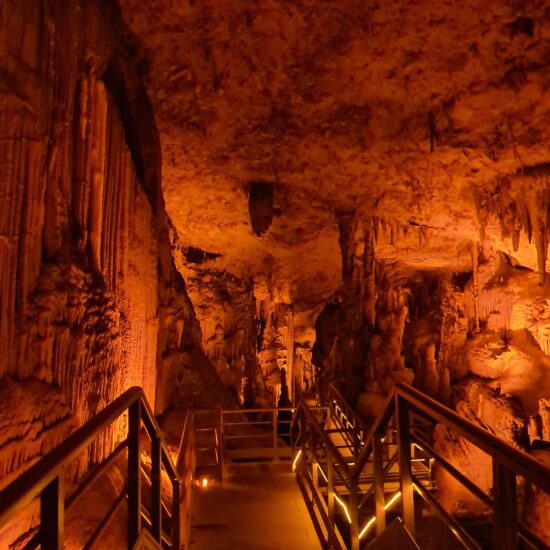
You will find bats often hanging around any dark underground cenotes, especially at night. But most bats are harmless, and they will not bite or attack unless provoked, so you do not have to worry about rabies. Although, a bat did fly real close to my partner as she was swimming in Xplor Fuego – however the bat flew right over her head and quickly flew away. It seemed more startled by her presence than anything else!
It can definitely be a bit intimidating knowing that you are swimming in an underground cenote with bats overhead, but the risk of any attack is minimal unless you provoke them in some way.
Mosquitoes Around the Cenotes in Cancun
Since you are essentially in the heart of the Mayan jungle, it is impossible to avoid mosquitoes. If you are swimming in a cenote at night, you can be prone to getting mosquito bites.
Most cenotes operators do not allow you to wear bug spray in a cenote, because it can destroy the marine bio-life and diversity and the bug spray can be harmful to the organisms, plants and fish that live in the cenote.
For this reason, I usually wear a long sleeved SPF protection shirt that helps shield my upper body from mosquito bites. Very rarely, you sometimes read or hear about Malaria or Dengue cases in Cancun, Mexico.
Both Malaria and Dengue are transmitted by vectors (mosquitos) and can be a bit intimidating knowing it’s out there, but it’s very rare. In fact, it is only transmitted by a specific type of mosquito, the aedes aegeptyi or Aedes albopictus. These mosquitoes can be spotted by their noticeable white stripes on their back. I have seen these mosquitos a few times in my life, and they are not a pleasant sight – but I steer clear from them.
Although rare, some of the signs and symptoms of both Malaria and Dengue include a flu-like infection with high fever, you will feel like you got hit by a truck. It’s not too common in the Riviera Maya and in the populated areas of Cancun Mexico, but it is something to look out for.
These mosquitos usually come out after a rainfall during rainy season in Cancun, Mexico. And if you are frequenting the Mayan jungle in the Riviera Maya you are bound to run into mosquitoes
A Summary of Whether a Cenote is Safe in Cancun
While every activity in life carries risk, such as driving a car or riding a bicycle, swimming in a cenote is no different. As long as you follow some of the basic precautions listed above, you will be perfectly safe in a Cenote. Don’t let the internet scare you too much from having the dream cenote-filled vacation of your life time, as these natural wonders are true treasures. I’m sure the memories you’ll make will far surpass and of the potential fears you have about cenotes once you try one for yourself!